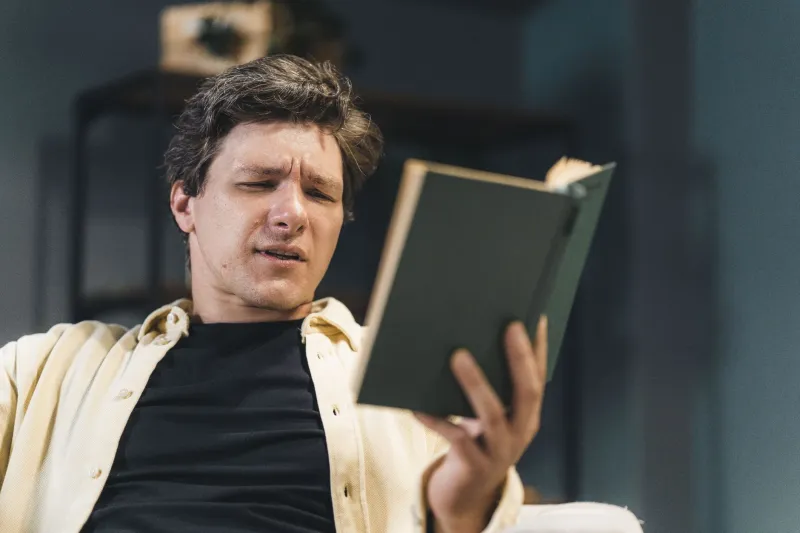
It's Not Them, It's You (And Also Them): Navigating the Messy Reality of Breaking Up With an Author
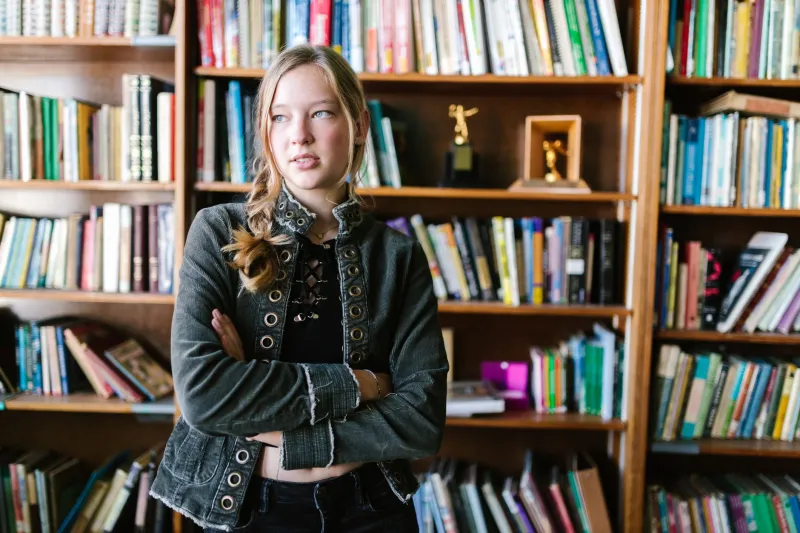
Breakups are never clean. Even when you know it's the right call, even when you've rehearsed the reasons a hundred times, there's always a little grief mixed in with the relief. And that's when we're talking about actual relationships.
Now imagine that relationship is with an author whose books shaped who you are — and the reason you're walking away is something they said on Twitter at 11 p.m. on a Tuesday.
This is the book divorce, and it's one of the most loaded conversations happening in American reading culture right now.
When the Author Becomes the Story
For most of literary history, readers had a comfortable distance from the people who wrote their favorite books. You might read a biography, catch an interview in a magazine, or attend a reading at your local bookstore. But the author existed at a remove — filtered, curated, professional.
Social media demolished that buffer entirely.
Now authors are on Instagram Live discussing their opinions on current events. They're posting threads on X that go sideways. They're giving podcast interviews where they say something that makes your jaw drop. The parasocial relationship between reader and author has never been more intimate — or more fragile.
And when an author says or does something that conflicts with a reader's values, the fallout can be swift and public. Readers aren't just quietly putting the books down anymore. They're announcing it. They're posting "unhaul" videos. They're writing long community posts explaining their decision in detail.
The Ethics Are Genuinely Complicated
Let's not pretend this is simple, because it isn't.
On one side, there's a real and legitimate argument that supporting an author financially — buying their books, attending their events, streaming their audiobooks — is a form of endorsement. If an author has said something harmful, whether that's bigoted, dishonest, or just deeply out of touch, continuing to amplify their work feels uncomfortable at best and complicit at worst.
On the other side, there's the question of what we do with art that already exists. The books didn't change. The story that helped you through a rough patch in your twenties is still that story. The characters who felt like friends are still those characters. Retroactively canceling your emotional relationship with a work of fiction is genuinely hard, and plenty of readers feel like they're being asked to perform a kind of loyalty test that serves no one.
There's also the messy middle: authors who haven't done anything overtly harmful, but whose worldview you've simply grown out of. The fantasy series you loved at sixteen that now reads as uncomfortably retrograde. The literary darling whose work feels more pretentious than profound now that you're older and reading more widely. That's not a book divorce driven by controversy — it's just maturity. And it's valid, but it feels different.
What the Community Is Actually Saying
Spend any time in active book communities — and KolBook's forums are a good place to start — and you'll notice that the book divorce conversation rarely stays tidy. It fractures almost immediately along lines of age, genre, and personal history with the author in question.
Younger readers tend to draw harder lines. If the author has said something they find harmful, the book goes. Full stop. There's a clarity to that position that older readers sometimes envy, even when they can't quite get there themselves.
Older readers, particularly those who have decades of history with certain authors, often describe a more complicated grief. One KolBook community member put it this way: "I feel like I'm mourning two things at once — the version of the author I thought I knew, and the younger version of me who loved their books so purely."
That's not weakness. That's honesty about how deep literary relationships actually go.
The Loyalty Question
There's a broader cultural assumption embedded in the book divorce discourse that's worth examining: the idea that reader loyalty is owed to authors in the first place.
It isn't, really. Authors write books. Readers read them. The transaction is pretty simple at its core. The loyalty that develops is a byproduct of emotional investment in the work — and that investment belongs to the reader, not the author. You don't owe anyone a continued relationship with their creative output, especially if engaging with it now costs you something.
At the same time, performative book divorces — the ones that seem more about social signaling than genuine values — are their own problem. When walking away from an author becomes a way to accrue community credibility rather than a sincere response to something genuinely troubling, it starts to feel less like ethics and more like a sport.
Readers can usually tell the difference. It shows in how the conversation is framed — whether it's rooted in personal reflection or optimized for engagement.
Living With the Ambiguity
Here's the uncomfortable truth: most book divorces don't come with a clean resolution. You might stop buying new releases from an author but still have their backlist on your shelf. You might recommend a book while adding a caveat. You might read something and love it and feel weird about loving it.
That ambiguity isn't a failure of your values. It's a reflection of how complicated it is to be a person who loves books in a world where authors are human beings with all the flaws that entails.
The best reading communities — the ones worth being part of — hold space for that complexity. They don't demand unanimous verdicts. They let readers work through the grief, the confusion, and yes, sometimes the anger, without turning every book divorce into a referendum on someone's character.
Because at the end of the day, the books you loved still shaped you. And you get to decide what to do with that.