First Impressions, Last Pages: How Swipe Culture Is Changing the Way We Pick Books

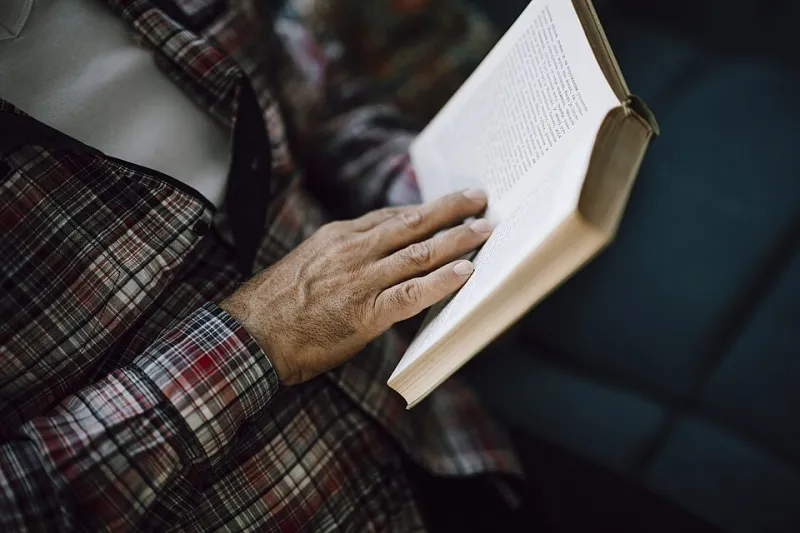
Photo by Photo by Salomé Watel on Unsplash on Unsplash
There's a moment most readers know well — you're standing in a bookstore, or more likely scrolling through an app at midnight, and something catches your eye. You've got maybe three seconds to decide if this book is worth your time before the next one slides into view. Sound familiar? If it feels a little like Tinder, that's not a coincidence.
The way Americans discover and choose their next read has quietly undergone a massive shift. We've moved from deliberate browsing and trusted word-of-mouth recommendations into something faster, flashier, and far more algorithm-dependent. And honestly? The book world is still catching up to what that means.
The Scroll Is the New Shelf
Not too long ago, picking a book meant wandering the stacks, reading back cover copy, maybe flipping to a random page to test the prose. It was tactile, slow, and personal. Now, for a huge chunk of readers — especially those under 35 — discovery happens on platforms built around speed and visual impact. Instagram grids, TikTok BookTok videos, Goodreads recommendation carousels, and AI-generated suggestion engines have all turned book selection into something that looks a lot more like swiping than browsing.
The mechanics are almost identical to dating apps. You get a cover (the photo), a title and author (the name and age), a short blurb (the bio), and maybe a star rating (the mutual connections). Swipe right, add to TBR. Swipe left, next. It's efficient, sure. But it also means the books that look interesting are winning out over the books that are interesting — and those aren't always the same thing.
Cover Judges, Unite
Let's be honest: we've always judged books by their covers to some degree. But the visual economy of social media has turbocharged that tendency in ways that are genuinely reshaping publishing. Covers are now designed with Instagram thumbnails and TikTok backdrops in mind. Bold typography, high-contrast palettes, and aesthetically cohesive "vibes" have become just as important as the story inside.
Publishers know this. There's been a notable surge in what the industry informally calls "aesthetic packaging" — books designed to photograph beautifully on a nightstand or a coffee shop table. Sprayed edges, foiled covers, oversized fonts. It's not cynical, exactly, but it does raise a question worth sitting with: are we selecting books that fit our personal brand as much as our personal taste?
For readers plugged into communities on platforms like KolBook, where sharing your current read is part of the experience, the line between "I want to read this" and "I want to be seen reading this" can get genuinely blurry.
The Algorithm Knows What You Liked — But Does It Know What You Need?
Here's where things get more complicated. Recommendation algorithms are remarkably good at showing you more of what you've already enjoyed. Read three psychological thrillers? Here are fourteen more. Loved a quiet literary novel about grief? The system has eight near-identical options queued up.
This is the filter bubble problem, and it's not unique to books — but it hits differently in reading culture because so many readers turn to books specifically to be challenged, surprised, or transported somewhere unfamiliar. When the discovery process optimizes for comfort and familiarity, it quietly works against the very thing that makes reading powerful.
The swipe mentality compounds this. When you're making snap judgments based on aesthetic and genre signals, you're essentially asking the algorithm to confirm your existing preferences rather than expand them. You're dating within your type, every single time.
Speed vs. Depth: A Real Tension
There's nothing inherently wrong with fast book discovery. Reading more books — even if you found them via a fifteen-second TikTok clip — is still reading. And for readers who felt overwhelmed or excluded by more "serious" literary gatekeeping, accessible discovery tools have been genuinely democratizing.
But some readers are starting to notice a subtle side effect: when the selection process is frictionless and immediate, the commitment to actually finishing a book can weaken. If choosing took two seconds, abandoning it feels equally low-stakes. Why push through a slow first act when there are a hundred other options one scroll away?
This is the same psychological loop that makes streaming services feel simultaneously amazing and exhausting. Infinite choice can paradoxically lead to less satisfaction — what researchers call the "paradox of choice." More options, more second-guessing, less enjoyment of what you've already picked.
What Intentional Discovery Actually Looks Like
None of this means you need to swear off BookTok or delete your Goodreads account. But a growing segment of readers is getting more deliberate about how they let books find them. A few approaches that are gaining traction:
Slow-roll browsing. Setting aside actual time — not a midnight scroll session — to research a book before committing. Reading multiple reviews, sampling the first chapter, checking out the author's other work.
Community-first discovery. Leaning on recommendations from people whose taste you've come to trust over time, whether that's a friend, a bookstore employee, or a KolBook community member whose reading history you've followed long enough to get a feel for.
Genre-breaking on purpose. Actively seeking out one book per season that doesn't match your established patterns. Something that wouldn't have surfaced in your algorithm because you've never signaled interest in it before.
Sitting with a TBR. Instead of adding every aesthetically appealing title immediately, keeping a short, curated list and waiting a week before adding anything new. If you still want it after seven days, it's probably not just a momentary swipe impulse.
The Books That Don't Photograph Well
Here's the thing that keeps nagging at a lot of thoughtful readers: some of the most important, most transformative books ever written would absolutely bomb on Instagram. Ugly covers, dense prose, unfashionable subject matter. They'd get scrolled past in half a second.
That's not a reason to reject modern discovery tools entirely — it's a reason to stay a little suspicious of them. To remember that the algorithm is optimizing for engagement, not growth. For clicks, not connection.
At KolBook, the whole point is that readers are smarter than any recommendation engine. The best book you'll ever read might be one that found you through a messy, inefficient, deeply human chain of word-of-mouth — not because it had the right cover, but because someone who knew you thought it would crack something open.
Maybe the real trick isn't to swipe faster or smarter. It's to occasionally put the phone down and let a book surprise you.