Piled High and Proud: How Your Towering Stack of Unread Books Became a Mental Health Move

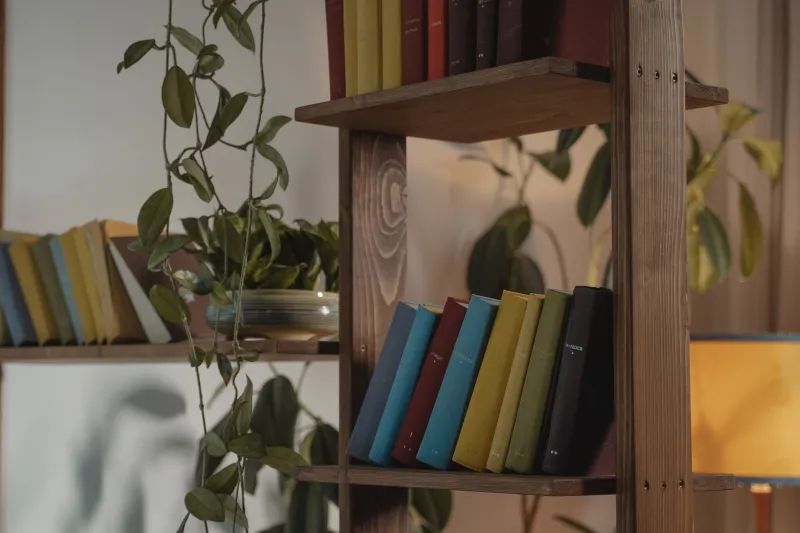
There's a specific kind of guilt that lives on a nightstand. You know the one — that leaning tower of spines, each book a silent accusation that you haven't gotten around to it yet. For years, readers carried that guilt like a badge of shame. But something has shifted. Increasingly, that same pile is being reframed not as a failure, but as a lifeline.
Welcome to the era of the intentional TBR stack, where physical accumulation isn't hoarding — it's healing.
The Infinite Library Problem
Here's the paradox of modern reading life: we have more access to books than any generation in history. Kindle Unlimited, Libby, Audible, Project Gutenberg — the options are essentially endless. You can have any book delivered to your device in under sixty seconds. And yet, a growing number of readers are reporting that all that access feels oddly suffocating.
Algorithms serve you what they think you want. Recommendation engines optimize for what you've already read, boxing you into increasingly narrow corridors of taste. The infinite scroll of digital reading platforms can feel less like freedom and more like being trapped in a very well-lit maze.
Physical books don't do that. A stack of them on your floor does nothing but wait.
Why the Pile Feels Good
Psychologists have a term called "anticipatory pleasure" — the joy you get from looking forward to something, sometimes more potent than the enjoyment of the thing itself. Your TBR stack is basically a three-dimensional mood board of future joy. Every title you add is a promise you've made to yourself: I'm going to have time for this. I'm going to slow down enough to read this.
That's not delusional optimism. That's self-care with a spine (literally).
Readers on KolBook's community forums have been vocal about this shift in thinking. One member described their stack as a "physical commitment to curiosity" — a way of saying, out loud and in object form, that they intend to keep growing. Another called it their "anxiety anchor," something solid and real to look at when everything else feels chaotic and digital and overwhelming.
There's also something to be said about the tactile nature of the whole thing. You chose these books. You carried them home from a bookstore, or waited for a package, or hunted them down at a library sale. Each one required a small, deliberate act. That's the opposite of clicking "add to wishlist" and forgetting about it by Tuesday.
The Anti-Algorithm Stack
One of the most interesting things happening in reading culture right now is the pushback against recommendation-by-data. Readers are increasingly suspicious of being told what to read by a system that's technically just trying to keep them on a platform longer.
Building a physical TBR pile is, in some ways, an act of reclaiming your own taste. You're not letting Spotify-for-books decide your next read based on what you finished last week. You're making a deliberate, sometimes irrational, always personal choice. You grabbed that book because the cover hit different. Because a stranger on a train was reading it and looked completely absorbed. Because your college roommate mentioned it once in 2017 and you never forgot.
Those are human reasons. No algorithm accounts for them.
The Guilt Is Part of It (And That's Okay)
Let's not pretend the guilt disappears entirely. It doesn't. There is something mildly absurd about buying a sixth book when you haven't finished the first. But even the guilt, it turns out, serves a function.
Readers who talk openly about their TBR anxiety — and there are entire online communities devoted to this, including some lively threads right here on KolBook — often describe a kind of productive tension. The pile reminds you that you are a person with intentions. That you care about ideas. That you want to read more than you currently do, and that ambition, however unrealized, is worth something.
The Japanese concept of tsundoku — buying books and letting them pile up unread — has been floating around Western reading culture for a few years now, and it resonates precisely because it de-pathologizes the stack. It turns the pile from a problem into a personality trait. From a failure into a philosophy.
Stacking as Intentional Consumption
There's a broader cultural conversation happening right now about intentional consumption — buying less, choosing more carefully, pushing back against the dopamine loop of one-click purchasing. Physical books fit surprisingly well into this framework, even when you're buying a lot of them.
Because here's the thing: a physical book demands something from you. It takes up space. It has weight. You have to look at it every day until you either read it or give it away. That accountability is built in. It's the opposite of the digital purchase you forget you made.
Readers who've leaned into intentional TBR-building report that they actually read more thoughtfully, not less. When you've physically handled a book, stacked it, moved it from pile to pile as your priorities shift, you arrive at it differently than if you'd just downloaded it on a whim.
Your Stack Is Telling You Something
If you want to understand what a reader actually values — not what they think they should value, not what an algorithm decided for them — look at their TBR pile. It's one of the most honest self-portraits you can make.
Is it all literary fiction with beautiful covers? Comfort rereads mixed with ambitious doorstoppers? A chaotic mix of true crime, fantasy, and a single book about sourdough bread that you swear you're going to get to? That pile is you. Unfiltered, unoptimized, magnificently human.
So the next time someone side-eyes your nightstand situation, you don't have to apologize. You're not behind on your reading. You're ahead on your living.