Pass It On: The Book-Swapping Movement That's Changing What It Means to Own a Story
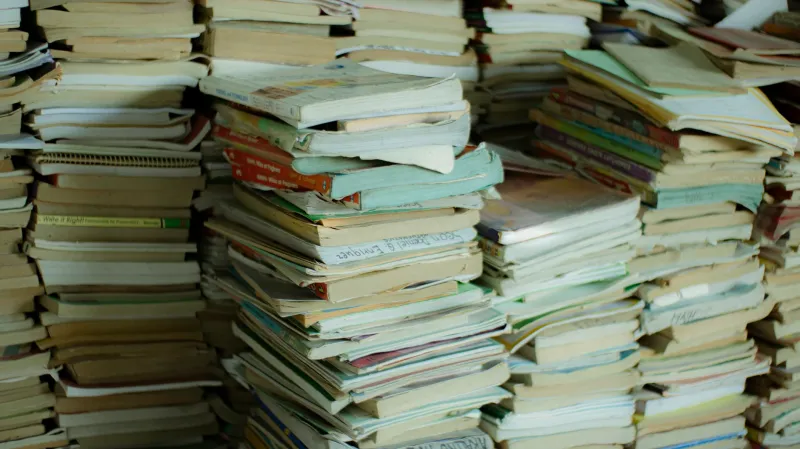
There's something a little radical about mailing a stranger your dog-eared copy of a book you love. You don't know where it's been — well, you do, it's been on your nightstand for three years — but you definitely don't know where it's going. And somehow, that's exactly the point.
Book swapping is having a genuine cultural moment in the US right now, and it's not just because everything is expensive. Platforms like PaperBackSwap, ThriftReads, and a sprawling network of Reddit communities and Facebook groups have quietly built an entire parallel economy around trading physical books between readers who've never met. It's part practical, part philosophical, and — if you spend five minutes in one of these communities — surprisingly emotional.
What Even Is a Book Swap, Exactly?
At its most basic, a book swap is exactly what it sounds like: you have a book, someone else wants it, they have something you want, you trade. Simple enough. But the platforms and communities built around this idea have gotten genuinely sophisticated.
Sites like PaperBackSwap operate on a credit system — you list books you're willing to part with, ship one to someone who requests it, and earn a credit to request a book from someone else. It's not a direct one-to-one exchange; it's more like a slow-moving literary economy where your worn copy of Normal People eventually finds its way to a reader in Ohio who's been hunting for it, while a copy of Demon Copperhead makes its way to your mailbox from someone in Portland.
Other communities are more casual about it. Reddit's r/bookswap and r/Random_Acts_Of_Books have built cultures around the honor system — you post what you have, someone claims it, you mail it, and good vibes are the currency. No algorithms, no credits, just readers looking out for other readers.
Why Now? Why This?
The timing makes sense if you zoom out a little. Hardcover prices have crept up steadily, and even paperbacks can run $18 or more at major retailers. Meanwhile, environmental consciousness around consumption — including book consumption — has become a real conversation. Paper production, shipping emissions from online retail giants, the sheer volume of books printed and remaindered every year: it adds up, and a lot of readers are paying attention.
Book swapping threads the needle between those two pressures. You're not spending money on a new copy, and you're not contributing to demand for freshly printed stock. The book already exists. It just needs a new home.
But honestly? The economic and environmental arguments, while real, don't fully explain the enthusiasm. There's something else going on here.
The Unexpected Social Layer
Ask anyone who's been active in a swap community for more than a few months, and they'll almost always mention the notes. A lot of swappers include a handwritten message with the book — sometimes just a sentence, sometimes a full page. A recommendation for what to read next. A confession about which chapter made them cry. A dumb joke about the plot.
Those notes turn a transaction into something closer to a conversation. And sometimes, those conversations keep going. Swap partners become pen pals. Strangers who connected over a mutual love of Tana French end up texting each other about new releases. It's the kind of organic community-building that book clubs have always promised but don't always deliver.
KolBook readers who've tried swapping describe it as "finding your people by accident" — which, honestly, is the best way to find your people.
But Wait — What Happens to Authors?
Here's where it gets complicated, and it's worth sitting with the discomfort for a second.
When you swap a book, the author gets nothing. No royalty, no sale counted, no data point in a publisher's spreadsheet. From a strictly economic standpoint, book swapping is functionally the same as buying used — which has always been a gray area in the publishing world.
Publishers and some authors have quietly bristled at this for years. The counterargument from swappers is equally consistent: a reader who discovers an author through a swap often goes on to buy future books new. Discovery matters. And a reader who can't afford to buy new isn't a lost sale — they were never a sale to begin with.
It's a tension without a clean resolution, and it's one the publishing industry is going to have to keep reckoning with as these communities grow.
Rethinking What "Owning" a Book Actually Means
Here's the question underneath all of this: do you actually own a book, or do you just hold it for a while?
There's a school of thought — popular in these swap communities — that books are meant to circulate. That a book sitting on a shelf, unread by anyone, is somehow incomplete. That the whole point of a story is to move through people, accumulate a little history, pick up some margin notes and coffee stains along the way.
In that framing, swapping isn't giving something up. It's participating in what books are actually for.
Maybe that's a little romantic. But spend an afternoon scrolling through a book swap community, reading the posts from people who just received a book with a stranger's annotations in the margins, and it's hard not to feel like they're onto something.
The book you pass on doesn't disappear. It just starts a new chapter — in someone else's hands, in someone else's life. And somewhere out there, another book is already on its way to you.