More Than a Placeholder: How Bookmarks Became the Unexpected Identity Badge of Modern Readers
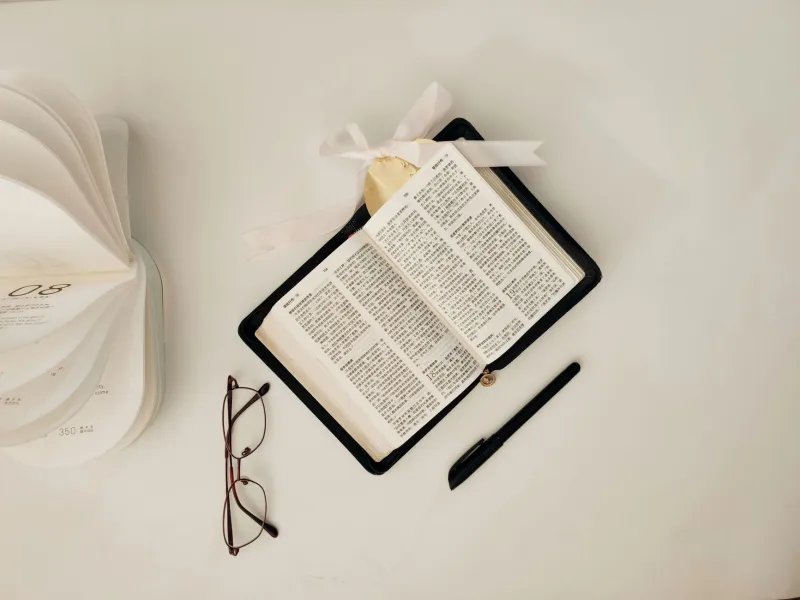
For most of human history, a bookmark was purely functional. A dog-eared corner, a sticky note, a random grocery receipt — whatever was close enough to shove between the pages and call it a day. But somewhere between the rise of BookTok and the explosion of reader-centered communities online, something shifted. The humble bookmark stopped being invisible and became, well, a whole thing.
If you've spent any time scrolling through reading communities lately, you already know what we're talking about. Flat lays featuring carefully curated bookmarks. Etsy shops racking up thousands of sales on hand-stamped leather designs. Readers swapping bookmarks the way kids used to trade Pokémon cards. It's a full-on cultural moment, and honestly? It makes complete sense.
The Object That Holds Your Place — and Says a Lot About You
Here's the thing about bookmarks that most people overlook: they're one of the few reading accessories that are both private and public at the same time. When you're reading in a coffee shop or on the subway, your bookmark is visible. It's sticking out the top of your book like a little flag, quietly announcing something about who you are.
Psychologists who study object attachment would tell you this isn't trivial. The items we choose to keep close — especially ones tied to rituals we love — become extensions of our self-concept. Reading is deeply personal. It's one of the last truly solitary pleasures in a world that constantly demands our attention be shared. So it makes sense that readers would want the physical objects surrounding that experience to feel meaningful.
Choosing a bookmark isn't just about convenience anymore. It's about curation. And in a culture where readers have enthusiastically embraced the idea that their reading life is a reflection of their identity — your TBR pile, your shelves, your annotations — the bookmark fits right in as the next micro-expression of literary taste.
From Dollar Store to Design Object
The market tells the story clearly. Etsy searches for "aesthetic bookmarks" have grown steadily year over year, with independent makers offering everything from pressed-flower resin designs to tarot-card-inspired sets to brass charms that clip onto page edges. Small businesses built entirely around bookmark design have found real, loyal audiences.
Then there's the collectible angle. Publishers and bookstores have caught on, producing limited-edition bookmarks tied to special releases, author events, or exclusive editions. Owning the bookmark from a beloved author's signing event carries the same energy as a concert poster — it's a souvenir of a literary moment, a physical piece of an experience that mattered to you.
Subscription boxes like OwlCrate and Illumicrate have long included bookmarks as part of their monthly packages, and those items have developed their own secondary market. Readers trade, sell, and gift bookmarks in online communities the same way collectors move any desirable item. Some limited designs fetch surprisingly high prices when they go out of circulation.
The Psychology of the Perfect Bookmark
Ask a group of readers how they choose their bookmarks and you'll get answers that range from deeply practical to surprisingly philosophical. Some people rotate based on mood — a bright, cheerful design for a light beach read, something darker and more ornate for a gothic novel. Others have a single "signature" bookmark they use for everything, almost like a lucky charm.
There's a real psychological comfort in ritual, and reading is full of them. The way you hold a book, whether you read in one spot or move around, how you track your progress — these habits build a sense of structure around something that's fundamentally personal and unstructured. A bookmark is part of that ritual. It marks not just where you are in the story, but where you are in the experience of reading it.
Some readers have even talked about the superstition element — refusing to use certain bookmarks for books they're struggling with, or saving a favorite for a book they've been anticipating for months. The bookmark becomes almost ceremonial. A way of honoring the reading experience before it even begins.
Community and the Bookmark Swap
Online reading communities have turned bookmark sharing into a genuine social activity. On platforms like Reddit's r/bookmarks and various Discord servers built around reading groups, members organize swaps where participants mail each other handmade or purchased bookmarks. It's low-stakes, tactile, and weirdly intimate — you're sending a stranger something that will literally live inside the books they love.
This is exactly the kind of connection that makes reader communities special. Books are already a shared language; bookmarks become a shared gesture. When someone tells you they loved a book so much they commissioned a custom bookmark for it, you understand something real about how that story hit them.
On platforms like KolBook, where readers are already sharing recommendations and building out their literary identities, it's easy to imagine bookmark culture becoming another layer of that conversation. What you mark your pages with is, in its own small way, part of the story you're telling about yourself as a reader.
The Anti-Bookmark Crowd (Yes, They Exist)
Fair is fair — not everyone is on board. There's a vocal contingent of readers who find the whole thing excessive. Dog-ears forever, they say, or nothing at all. Some readers memorize their page numbers. Others use whatever's nearby without a second thought and genuinely cannot understand why anyone would spend fifteen dollars on a piece of decorated cardstock.
And that's fine. Reading has always had room for every kind of person, including the ones who think aesthetic bookmarks are a little silly. The point isn't that everyone needs to care about this. The point is that for a growing number of readers, especially younger ones who've come of age in communities where literary identity is something you actively build and share, the bookmark has become one more way to participate in that culture.
Small Object, Big Meaning
At the end of the day, a bookmark is still just a way to save your place. But the best parts of reader culture have always been about finding meaning in small things — the inscription in a used book, the worn spine of a favorite novel, the specific way a particular story made you feel at a specific moment in your life.
If a beautifully made bookmark makes you a little more excited to pick up your book each evening, or connects you to a community of people who get it, that's not overthinking it. That's just what it looks like when readers do what they've always done — take something ordinary and make it matter.