When the Last Page Hurts: Inside the Strange Grief of Finishing a Book You Loved

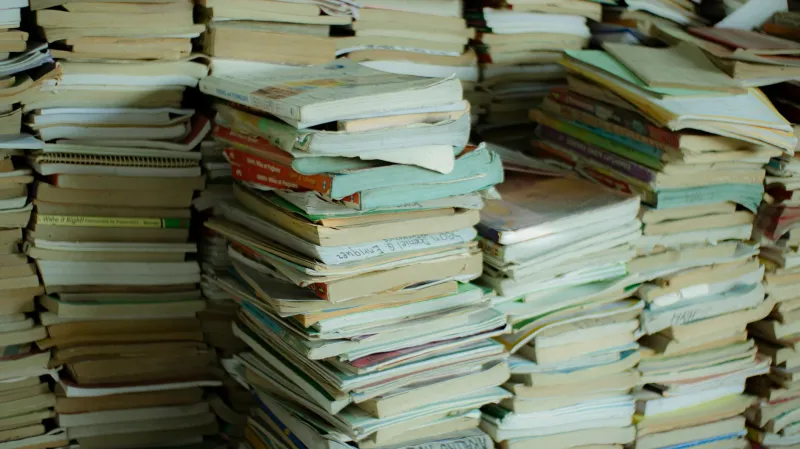
Photo: Christopher Michel, CC BY 2.0, via Wikimedia Commons
It's 2 a.m. You've just read the final sentence of a novel you've been living inside for the past week. The characters are gone. The world is closed. And instead of satisfaction, you feel something closer to loss.
If you've been there, you already know: the internet has a name for it. The book hangover. And far from being a throwaway meme, it's become one of the most talked-about experiences in modern reading culture — complete with support threads, recovery strategies, and a whole vocabulary for a feeling psychologists say is more legitimate than most people assume.
Mourning People Who Never Existed
Ask around any online reading community and you'll find the same confession over and over. "I sat in my car for twenty minutes after finishing it," one reader posted recently on a popular book subreddit. "I genuinely felt like I'd been to a funeral."
Researchers have a few ideas about why this happens. When we read immersive fiction, our brains engage in what's called experience-taking — we don't just observe characters, we simulate their lives. Neuroimaging studies have shown that reading about an action activates many of the same regions as performing it. In other words, when a story ends, you're not just losing entertainment. You're losing a routine of daily companionship.
"The brain doesn't fully distinguish between a real social bond and a deeply simulated one," explains one clinical psychologist who studies parasocial attachment. "Grieving a book is a version of grieving a relationship. The fact that the other party is fictional doesn't make the adjustment period unreal."
The Rise of the Recovery Ritual
What's fascinating is how readers have organized their coping strategies into something resembling folk medicine.
There's the palate cleanser — a light, low-stakes read (a cozy mystery, a romance novella, a reread of a comfort book) designed to gently transition you out of the fictional world without demanding emotional investment. Whole lists circulate online titled things like "books to read when you're not ready to move on."
There's the denial phase, better known as fanfiction, where readers keep a story alive through thousands of pages of community-written continuations. For many, it's not a guilty pleasure — it's grief work.
And there's the processing phase: the post-review, the voice memo to a friend, the long comment thread dissecting the ending at 1 a.m. with strangers who are hurting in exactly the same way.
"The day after I finished it, I needed to talk to someone who'd been there," one reader told us. "Not a review. Not a summary. Someone who also cried in the produce section of the grocery store because of a fictional character."
When the Slump Sets In
The hangover doesn't always resolve quickly. Plenty of readers report a full reading slump afterward — a stretch where nothing else on the shelf can compete. Every new book feels like a first date after a breakup: technically fine, spiritually impossible.
The advice from seasoned readers is surprisingly consistent. Don't force the next big read. Lower the stakes. Pick up something short, funny, or familiar. Rereading isn't failure — it's often the bridge back. And give yourself permission to sit with the story you just finished rather than rushing to replace it.
Some readers even schedule their heavy books deliberately — starting a doorstopper only when they know they have a quiet weekend to crash afterward, the same way you'd plan around a long flight or a tough week.
A Community Built in the Aftermath
Here's the part that turns a lonely experience into a connective one: the book hangover is fundamentally social. You can only have the full experience if you cared — and you can only process it fully with others who cared too.
That's why some of the warmest corners of the reading internet aren't about discovering books at all. They're about the aftermath. The shared mourning. The "tell me it gets better" posts that get hundreds of gentle replies.
So if you closed a book last night and feel like something's missing this morning — you're not being dramatic. You're doing what readers have always done, just with better language for it now. The story ended. The feeling didn't. And somewhere out there, a stranger at 2 a.m. is typing "I just finished it and I don't know what to do with myself" — and a hundred people are already typing back: we know. We've been there. Tell us everything.